
When you lose someone to suicide
Suicide loss is complex and navigating the grief is atypical to other losses. There are unique issues that often must be explored before healing can begin. That’s why we’re here.
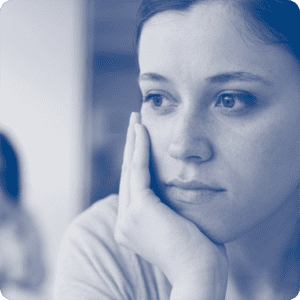 Losing someone you love to suicide is an incredibly painful and complicated experience. It can feel like a storm of emotions all at once, including shock, sadness, anger, guilt, and confusion. You might question why it happened, wonder if there was something you could have done to prevent it, or feel regret for things left unsaid.
Grief after a suicide often feels different from other kinds of loss. It’s common to feel isolated because others might not know how to support you or might avoid talking about it. You may also experience stigma or uncomfortable questions from people who don’t understand.
Healing from a suicide loss is deeply personal. We encourage you to learn about available resources and make the choices that are best for you.

Hear from one of the facilitators of the Suicide Loss Survivor Support Group at Foundation 2 Crisis Services about what you can expect from the group. It’s free and open to any ages 18+ who has lost a loved one to suicide. Watch on YouTube.
Express your emotions
It’s common to have many deep emotions when grieving the loss of a loved one. If you’re feeling sad, angry, guilty, confused and more, know that those are common feelings. Allow yourself to feel and express these emotions. By acknowledging and processing them, you can begin the healing process.
Connect with others
Support from understanding friends, family, or a counselor can help. Joining a support group for suicide loss survivors can also be a safe space to share your feelings with others who have been through similar experiences. You can learn from others in their own healing journey, share your emotions and more. We offer the Suicide Loss Survivors Support Group twice a month at Foundation 2 Crisis Services. It’s free and open to everyone 18+ who has lost a loved one to suicide.
Educate yourself
Learning about suicide and mental health can help you gain a better understanding about their experience and reduce stigma. You might replay the past in your mind, searching for clues or signs you might have missed. This is a natural response but can be emotionally exhausting. It’s important to remember that suicide is complex, and the reasons behind it are often tied to deep pain or mental health struggles beyond anyone’s control.
Above all, know that your feelings are valid. There is no “right” way to respond to a loved one’s death by suicide. Your emotions may come up unexpectedly or change over time. It’s okay to grieve, to feel hurt and to seek help as you navigate this difficult time. You are not alone, and there are people and resources ready to support you.